
In an interview, Tunisian foreign minister says Western-led action in Libya in 2011 was reckless. Tunisian Foreign Minister Khemaies Jhinaoui says his country is still feeling the effects of what he described as a reckless NATO-led campaign in neighboring Libya in 2011—a military intervention that led to the ouster of dictator Muammar al-Qaddafi but left behind violence and instability. In an interview with Foreign Policy during his recent visit to Washington, Jhinaoui said Tunisia’s security is dependent on stability in Libya but that foreign powers were now using Tripoli as an arena…
Day: August 7, 2018
Tunisia: Sale Season Fueled by Hopes of Stimulating Domestic Consumption
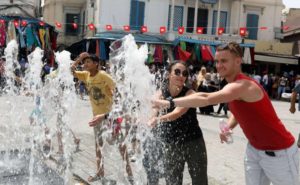
Economists in Tunisia have been closely following the economic dynamics of the local markets, especially with the beginning of the sale season early this month. They have also been wondering how these discounts would affect domestic consumption as one of the most important drivers of the economy in light of the economic slowdown witnessed by most economic activities. These summer discounts will continue for six weeks, during which products related to the garment, footwear and household electronics sector are displayed. Around 700 traders have been involved in this activity in…
Tunisia: Migrant Rescue Emergency Plan of Action (EPoA)
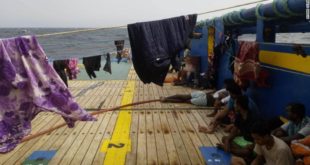
On 13 July an offshore platform near the Tunisian coast received a rescue signal from migrants in the sea nearby. Immediately, an emergency vessel was dispatched to investigate and found 40 migrants from different nationalities on a small boat. Some migrants were rescued from the water, and others from their vessel. With no feedback nor action from potential host authorities, and given the worsening weather situation, the migrants were moved to a Tunisianflagged offshore supply ship. Beginning 16 July, their situation worsened, with high temperatures and shrinking water and food…
Record heatwave points to looming climate crisis for Maghreb
Temperatures this year are expected to remain above 35 degrees for more than 32 days in parts of the Maghreb. Southern Algeria likely registered Africa’s all-time highest temperature, hitting 51.3 degrees Celsius on July 5, part of a weeks-long heatwave that has turned North African cities into tinderboxes. The record temperatures were made worse by breakdowns in water supplies and rolling power outages, which prompted residents throughout the region to demand government action. In Tozeur, an oasis town on the edge of the Sahara in Tunisia, temperatures reached 49 degrees…